

A sports medical examination is a comprehensive medical check-up that is specifically designed to assess your health suitability for sporting activities and to identify potential risks at an early stage. It is far more than just a „certificate“ - it is an essential basis for a healthy, safe and successful start or continuation of your sporting career. In our practice, Dr. Raphael Bruno, an experienced sports physician and cardiologist, places the focus of every Sports medical examination to give you the green light for your activity and provide you with expert advice on how to achieve your goals without putting your health at risk.
Why is a sports medicine examination so important?
Regular exercise is undeniably healthy. However, under certain, often undetected conditions, intensive physical activity can also pose a risk. One Sports medical examination serves to uncover these hidden risks and give you the certainty that your body is up to the demands of sport.
The main objectives of the study are:
One Sports medical examination is therefore an investment in your long-term health and well-being during sport.
For whom is the sports medicine examination particularly recommended?
In principle, every active person benefits from a regular health check. However, there are certain groups for whom a Sports medical examination is particularly strongly recommended.
Target group | Why is the examination particularly important here? | Recommended interval |
Sports beginners & returners (over 35 years) | The risk of undetected cardiovascular disease increases with age. A check-up before you start is essential. | Once before the start |
Children & young people in competitive sport | For the early detection of congenital heart defects and to ensure healthy athletic development. | Every 1-2 years |
Ambitious recreational & competitive athletes | To check heart health under high stress and to optimize performance. | Every 2 years |
People with known risk factors | In the case of high blood pressure, diabetes, high cholesterol levels or a family history of heart disease. | Annually or as recommended by a doctor |
People after prolonged illness (e.g. after a flu-like infection) | To ensure that there is no residual inflammation (e.g. inflammation of the heart muscle) before training is resumed. | Once before resumption |
What does a sports medical examination with us involve? The procedure in detail
A high quality Sports medical examination is standardized and follows the recommendations of the leading professional associations. It consists of several components that together provide a comprehensive picture of your health.
Step 1: The medical history
Every examination begins with a detailed discussion. We ask specific questions:
Step 2: The physical examination
This is followed by a thorough examination from head to toe, during which we pay particular attention to the cardiovascular system (listening, blood pressure measurement) and the musculoskeletal system (spine, joint position, muscles).
Step 3: Technical diagnostics
Step 4: The final meeting and consultation
Once all the tests have been completed, the results will be discussed with you in detail and in an understandable way. You will receive a clear statement on your fitness for sport and individual training recommendations tailored to you.
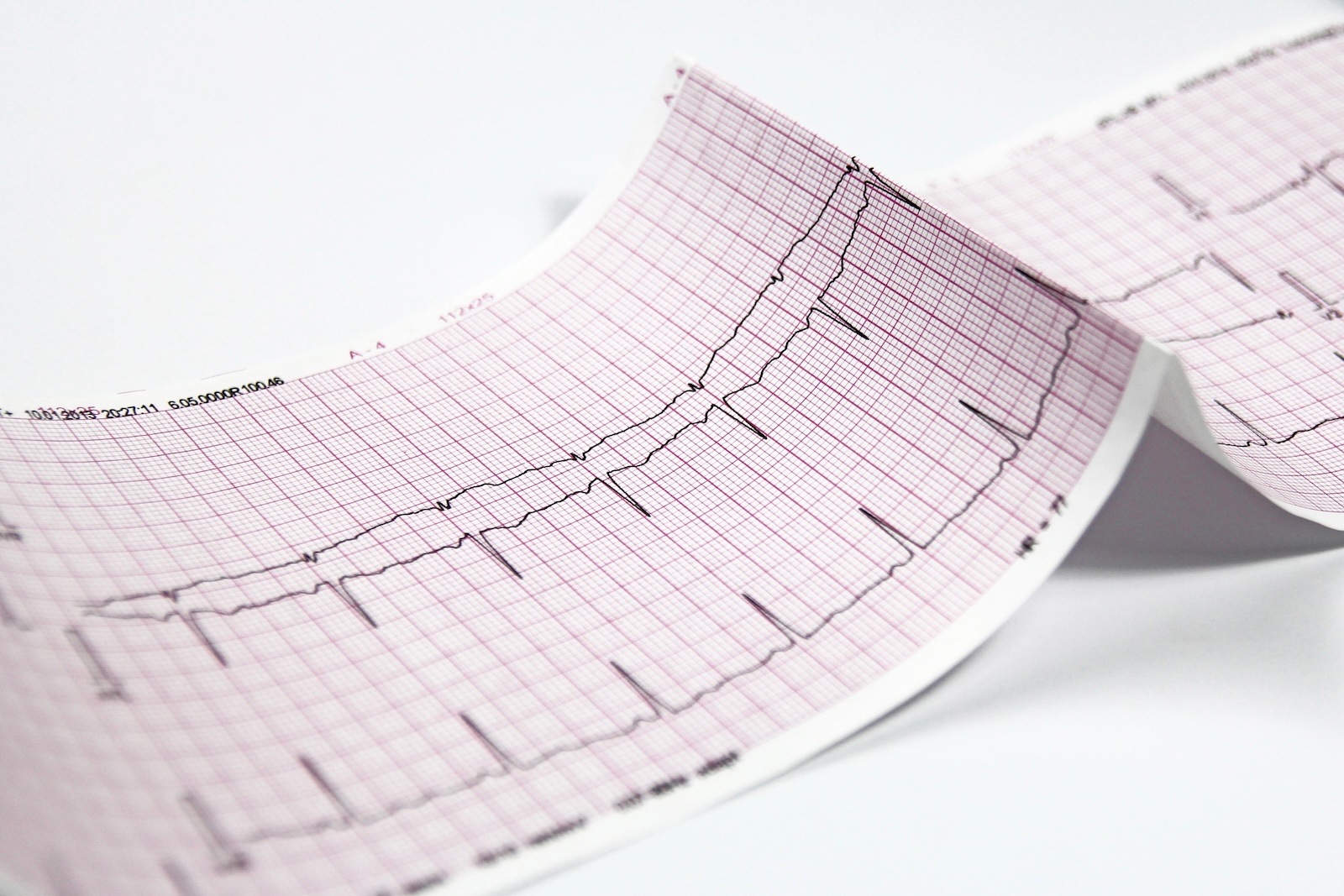
Sports medical examination and fitness for sport
At the end of the examination, you will receive a clear medical assessment of your fitness for sport. This can fall into three categories:
This classification is for your health and safety only.
Frequently asked questions about the sports medical examination
Here we answer common questions that patients ask us on this topic.
What is the difference to a normal „Check-up 35“?
The statutory „Check-up 35“ is a general preventive medical check-up. One Sports medical examination however, goes a decisive step further: it includes an exercise ECG as standard to test the heart under stress and places a special focus on the musculoskeletal system in the context of the planned sport. It is tailored more specifically to the requirements of athletes.
I feel fit as a fiddle, do I still need the examination?
Yes, the tricky thing about many heart diseases is that they can progress for a long time without any symptoms. You feel healthy, but there is already a hidden risk that only comes to light under the extreme stress of sport. One Sports medical examination serves precisely to back up this subjective feeling of fitness with objective medical data.
How long is the result of a sports medicine examination valid?
For clubs or competition passes, an annual or biennial repeat test is often required. For the health-oriented recreational athlete, the rule of thumb is: as long as no new complaints arise and the state of health does not change fundamentally, an examination for about two years offers good security.
Do I have to pay for the examination myself?
Many statutory health insurance companies have recognized the high preventive value of the Sports medical examination and offer their policyholders a subsidy. The amount and conditions vary greatly. It is worth checking with your health insurance provider before your appointment. Private health insurance companies usually cover the costs in full.
What happens if the examination reveals abnormal findings?
An abnormal finding is initially not a reason to panic, but important information. It gives us the chance to recognize and treat a potential problem at an early stage before serious complications arise. Dr. Raphael Bruno will discuss the findings with you in detail and initiate any necessary further diagnostic steps or treatment.
How do I prepare for the appointment?
Please bring sporty, comfortable clothing and sports shoes for the exercise ECG to your appointment. Do not eat a large meal about two hours before the appointment. If you are taking medication, please bring an up-to-date list with you. Most importantly, only come to the test if you feel healthy and do not have an acute infection.
Can I go straight to training after the examination?
After the Sports medical examination, including the stress test, you should give your body a rest for the rest of the day. The examination itself was already an intensive session. From the next day onwards, however, you can hit the ground running based on the new findings.
Will I receive an official certificate for my club?
Yes, of course. Once the examination is complete, you will receive a written summary of the results and, if you wish, an official certificate of fitness for sport, which you can present to your club, association or for a competition.
Does the examination take a long time?
For a thorough Sports medical examination with all the components mentioned above, you should plan about 60 minutes. This time is a very good investment in your health and athletic future.
Is the examination also useful for strength athletes?
Yes, even though the exercise ECG primarily tests endurance performance, testing the cardiovascular system is just as important for strength athletes. High press breathing and heavy loads in particular can drive blood pressure to extreme levels. A Sports medical examination ensures that your heart can withstand these stresses.
Your safety during sport comes first
Don't take any unnecessary risks. A professional Sports medical examination gives you the certainty that you can do your sport safely and with pleasure. It is the basis for a long, healthy and active life. Make an appointment at our practice to have your personal health check carried out.

 German German
  English
 Arabic
 Japanese
 Chinese
 Russian