
RHYTHMOLOGY
Cardiac arrhythmias: Keeping an eye on the pacemaker
A healthy heart beats an average of 100,000 times a day - usually completely unnoticed. However, when the heart stumbles, races or gets out of sync, this often triggers uncertainty. PD Dr. med. Raphael Bruno is a specialist in the diagnosis and treatment of cardiac arrhythmias. With the latest long-term diagnostics and in-depth expertise, we bring your heartbeat back into the right rhythm and protect you from the risks of undetected irregularities.
RHYTHMOLOGY
Living with rhythm: 7 steps to rhythm security
PD Dr. med. Raphael R. Bruno offers you as a specialized
Arrhythmias are as individual as people themselves. In order to find the cause of your heart stumbling or racing, we rely on a systematic analysis. PD Dr. med. Raphael Bruno combines traditional methods with innovative digital monitoring to reliably record even rare events.
Cardiologist in Düsseldorf a Precision medicine, that goes far beyond conventional preventive care. Our goal is clear: we want to maximize your health, your energy and your performance and thus improve your health. healthy lifespan extend. If you understand what is going on inside early on, you can take targeted countermeasures.
- Detailed rhythm anamnesis: Precise analysis of the symptoms: When does the stumbling occur? How does it feel?
- 12-lead resting ECG: First electrical inventory to search for basic line faults.
- Modern long-term ECG: Precise vascular age measurement for early identification of hidden risks of cardiovascular disease.
- Event recording: Use of digital tools for patients who only experience symptoms very rarely.
- Echocardiographic check: Exclusion of structural heart changes as the cause of the arrhythmia.
- Laboratory chemical clarification: Checking electrolytes (magnesium, potassium) and thyroid values.
- Individual therapy planning: Decision on drug treatment, blood thinning or the need for ablation.
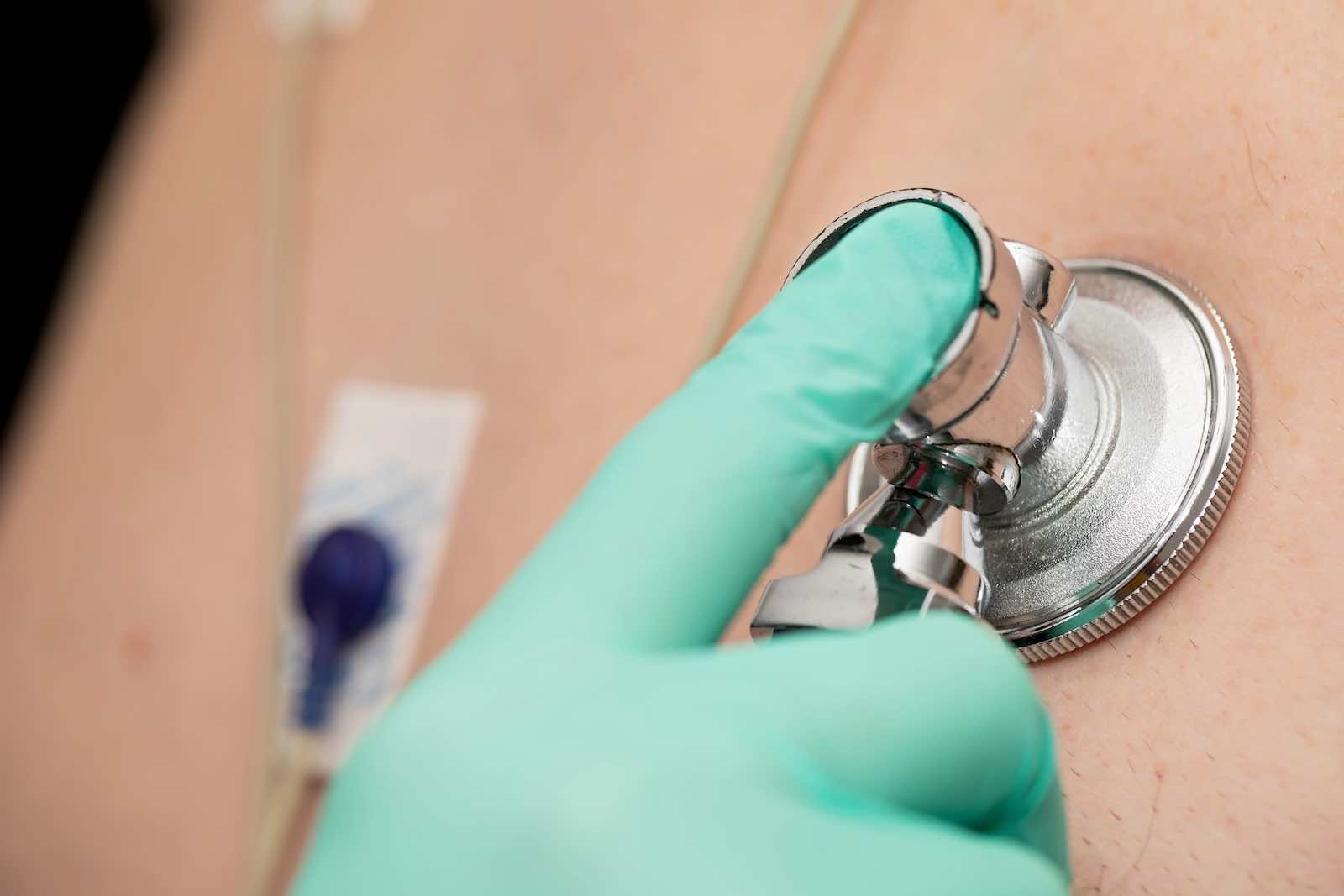
When should you have your heart rhythm checked?
Not every heart stumble is dangerous, but many arrhythmias should be clarified by a specialist in order to avoid long-term consequences such as strokes or heart failure.
Patients with palpitations: In case of sudden, seizure-like rapid heartbeat for no apparent reason.
In case of dizziness or faintingTo clarify dangerous pauses in the heartbeat (bradycardia).
Prevention of atrial fibrillationThe most common arrhythmia, which often goes unnoticed but massively increases the risk of stroke.
Athletes with a drop in performanceWhen the heart no longer reacts adequately under stress or runs „out of round“.
What we measure - parameters of your cardiac electrical system
In order to understand cardiac arrhythmias, we have to „capture“ them. We use state-of-the-art technology to precisely map the electrical activity of your heart over long periods of time.
| Field of investigation | Method & Focus |
| Electrical continuity | Long-term ECG (up to 7 days)Complete documentation of every heartbeat to identify atrial fibrillation or pauses. |
| Vegetative balance | HRV analysisMeasurement of heart rate variability to assess the influence of stress on your heart rhythm. |
| Load rhythm | Exercise ECGCheck whether arrhythmias disappear or are triggered by physical exertion. |
| Event documentation | Smartphone ECG / event recorderPatient-controlled recording at the moment the stumble occurs. |
| Structure check | Tissue Doppler echoExamination of whether atrial enlargement increases the risk of arrhythmia. |
| Electrolyte status | Special laboratoryAnalysis of the ion concentration, which is crucial for stable electrical conduction in the heart. |
RHYTHMOLOGY
Frequently asked questions about the heart rhythm
Early clarification of symptoms or risk factors is the key to long-term heart health. Our cardiology practice in Düsseldorf offers you the right specialized care for every need.
Most people have occasional extra beats (extrasystoles). These are often harmless. They usually only become dangerous when they occur more frequently or are accompanied by dizziness and shortness of breath.
Atrial fibrillation is often painless and is not felt by many patients. Nevertheless, small blood clots can form in the atrium and trigger a stroke. Early diagnosis is therefore vital.
Definitely. Stress activates the autonomic nervous system, which makes the heart more sensitive to electrical misfiring. We investigate this connection using HRV analysis.
Depending on the frequency of your complaints, you wear the device between 24 hours and 7 days. The modern devices are very small and hardly restrict you in your everyday life.
Many arrhythmias can be controlled very well with medication. In other cases, catheter ablation (sclerotherapy) can permanently cure the disorder.
Magnesium can stabilize the heart electrically, but should only be taken after consultation with PD Dr. Bruno if there is actually a deficiency or a corresponding indication.
RHYTHMOLOGY
Finding the rhythm in the Stahlhof
In the quiet atmosphere of our practice in the New Stahlhof we take the time to meticulously analyze your ECG data. PD Dr. med. Raphael Bruno explains the findings to you clearly and without time pressure. We don't just want you to receive a diagnosis, we want you to understand how your heart works. This understanding is the first step towards greater safety and quality of life in everyday life.


 German
  English
  Arabic
  Japanese
  Chinese
  Russian