
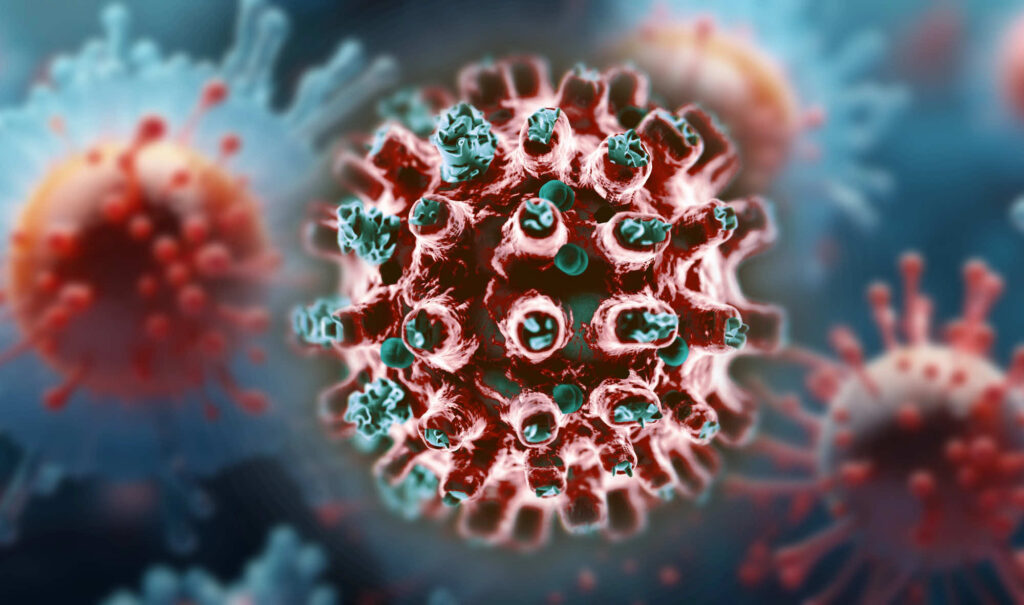
A cardiologist is the right person to see after a COVID-19 infection or other serious infections if you notice new or persistent symptoms in your heart, circulation or general resilience. Many people do not feel fully fit again even long after the acute infection has subsided. Persistent palpitations, shortness of breath or a noticeable drop in performance can be very worrying. At our practice, we take these post-COVID symptoms very seriously and offer you a structured assessment by our experienced cardiologist Dr. Raphael Bruno to find or rule out organic causes.
How to see a cardiologist after COVID: Which symptoms are relevant?
Not every form of fatigue after an infection indicates a heart problem. However, there are specific symptoms that should prompt you to make an appointment with a Cardiologists after COVID-infection.
Seek medical advice if the following symptoms persist or reappear weeks after the infection:
Your first appointment with a cardiologist after COVID: what can you expect?
The first and most important step during your appointment with a Cardiologists after COVID is a detailed discussion. We know that symptoms are often diffuse and difficult to describe. Dr. Raphael Bruno will listen to you attentively and ask specific questions in order to classify your symptoms.
Typical questions we ask are:
Good preparation on your part is very helpful here. Keeping a symptom diary for a few days can give us valuable information.
Template for a symptom diary
Date / Time | Situation / activity (e.g. getting up, climbing stairs) | Complaints (e.g. palpitations, dizziness, shortness of breath) | Pulse (if measured) |
e.g. 05.10. / 09:05 a.m. | Getting out of bed | Severe dizziness, palpitations | 80 -> 125/min |
e.g. 05.10. / 14:30 h | Walk (flat) | After 10 min. severe shortness of breath, had to stop | 140/min |
e.g. 06.10. / 11:00 a.m. | At your desk in peace | Sudden palpitations for approx. 1 minute | Irregular |
The diagnostic tools of the cardiologist after COVID
Based on the consultation, we initiate a step-by-step and targeted diagnosis. The aim is to check the most frequent and most important cardiac causes of your symptoms.
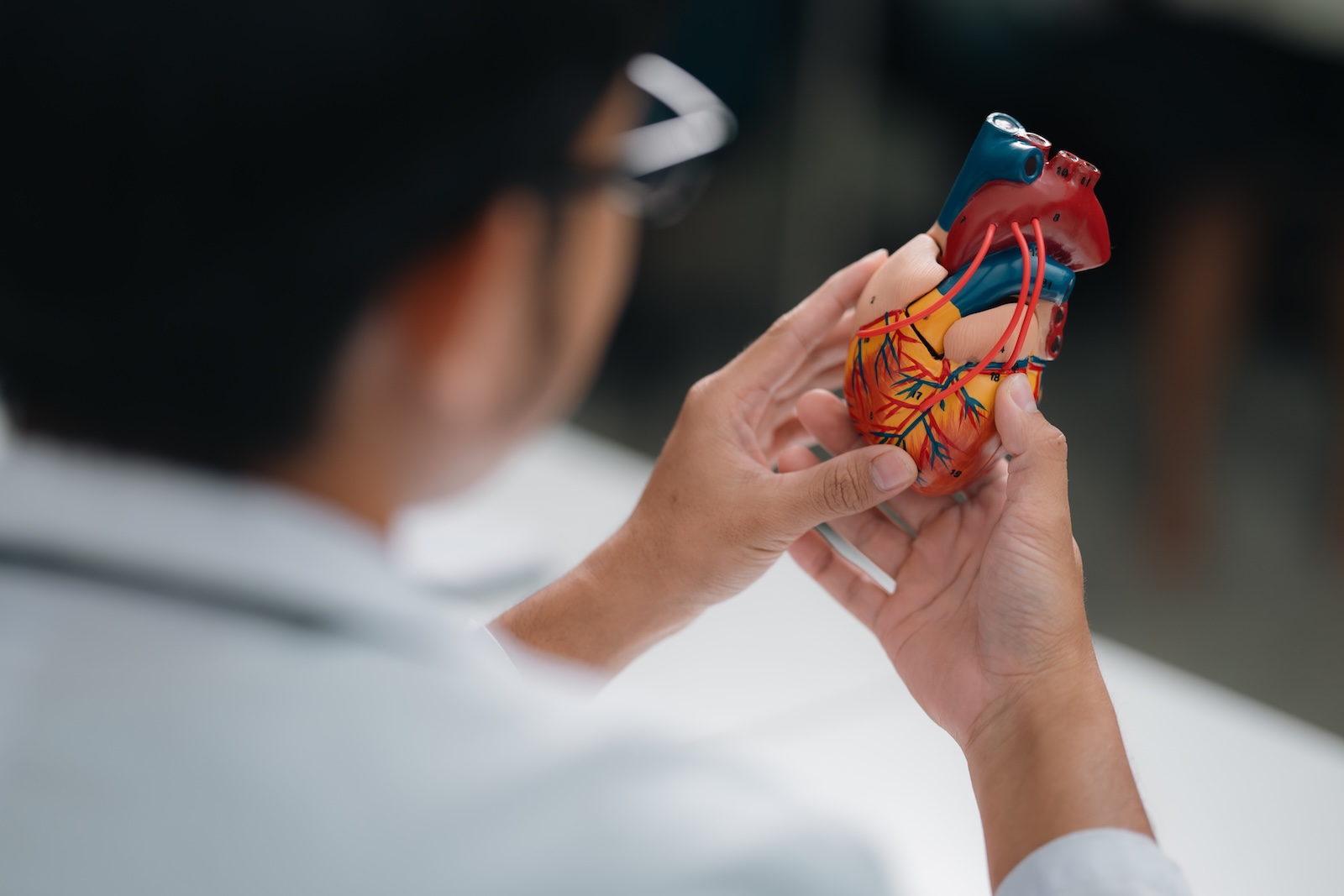
Typical findings and what they mean: From myocarditis to POTS
The investigation by the Cardiologists after COVID can lead to various diagnoses. The most common include
The cardiologist after COVID
One of the most important questions for active people is: „When can I do sport again?“. Exercising too early or too intensively after a COVID-19 infection carries considerable risks. As a sports cardiologist, Dr. Raphael Bruno is your expert for the „return to sport“ decision. Based on the course of your illness and the results of the cardiology examination, we will create a safe and step-by-step plan for your return to full athletic capacity. The most important rule is: start slowly and listen to your body's signals.
Frequently asked questions to the cardiologist after COVID
Here we answer common questions we are asked by patients after a corona infection.
I have been vaccinated. Can I still get heart problems after an infection?
Yes, the vaccination protects against severe courses of COVID-19, but it does not prevent 100% infection. Post-COVID symptoms, including heart problems, can also occur in vaccinated people after a breakthrough infection, although the risk appears to be lower.
How long can such post-COVID heart symptoms last?
The duration is very individual. For many patients, symptoms improve slowly and gradually over a period of three to six months. For some, however, the symptoms can persist for 12 months or longer. Patience and symptom-adapted management are crucial here.
My family doctor can't find anything. Should I still see a cardiologist after COVID?
Yes, if you continue to suffer from specific cardiovascular symptoms, it is advisable to see a specialist. A Cardiologist after COVID has specific diagnostic capabilities (e.g. cardiac ultrasound, stress tests) and the expertise to detect even subtle dysfunctions that may not be apparent in a basic examination.
Can post-COVID heart disease be treated?
Yes, the treatment depends on the diagnosis. Myocarditis is primarily treated with consistent physical rest. Circulatory training and increased fluid intake help with POTS. Low-dose medication such as beta blockers can alleviate the symptoms of palpitations.
Is the risk of heart problems lower with the newer virus variants?
On average, the newer Omikron variants lead to milder acute courses of the disease. However, post-COVID syndromes, including heart problems, can still occur. Any SARS-CoV-2 infection poses a potential risk of long-term consequences, so caution is advised.
I am afraid of vaccination because of the risk of myocarditis. What is the greater risk?
The scientific data here is clear: the risk of suffering myocarditis from COVID-19 disease itself is many times higher than the very rare risk of vaccine-associated myocarditis. A Cardiologist will give you a post-COVID-infections than after vaccination.
Does age play a role in the risk of post-COVID heart problems?
Post-COVID syndromes can occur at any age. While severe acute courses are more common in older patients, younger to middle-aged patients, especially women, appear to be more frequently affected by functional disorders such as POTS in the context of long-COVID.
What can I do myself to support my heart's recovery?
The most important thing is to listen to your body and not overtax it („pacing“). A healthy, anti-inflammatory diet, sufficient sleep and gentle exercise in pain-free and symptom-free areas (e.g. walks) are the best measures to support regeneration.
I'm still so tired after corona. Is that my heart?
Pronounced fatigue is a core symptom of post-COVID syndrome. It may or may not have a cardiac cause. An examination at the Cardiologists after COVID is important to rule out heart failure as the cause. However, there is often an independent neuro-immunological disorder.
Are my complaints taken seriously?
Yes, absolutely. We know how distressing and unsettling the symptoms following a COVID-19 infection can be. At our practice, you can be sure that we will listen carefully to what you have to say and take all the necessary steps to find or rule out an organic cause for your symptoms.
Your path to recovery - We create clarity for your heart
Persistent symptoms after a COVID-19 infection are not imaginary. A specialized cardiological examination can help you understand the causes, rule out serious illnesses and find a safe way back to an active and carefree life. If you are suffering from heart or circulatory problems after corona, make an appointment. We are here for you.


 German German
  English
 Arabic
 Japanese
 Chinese
 Russian