
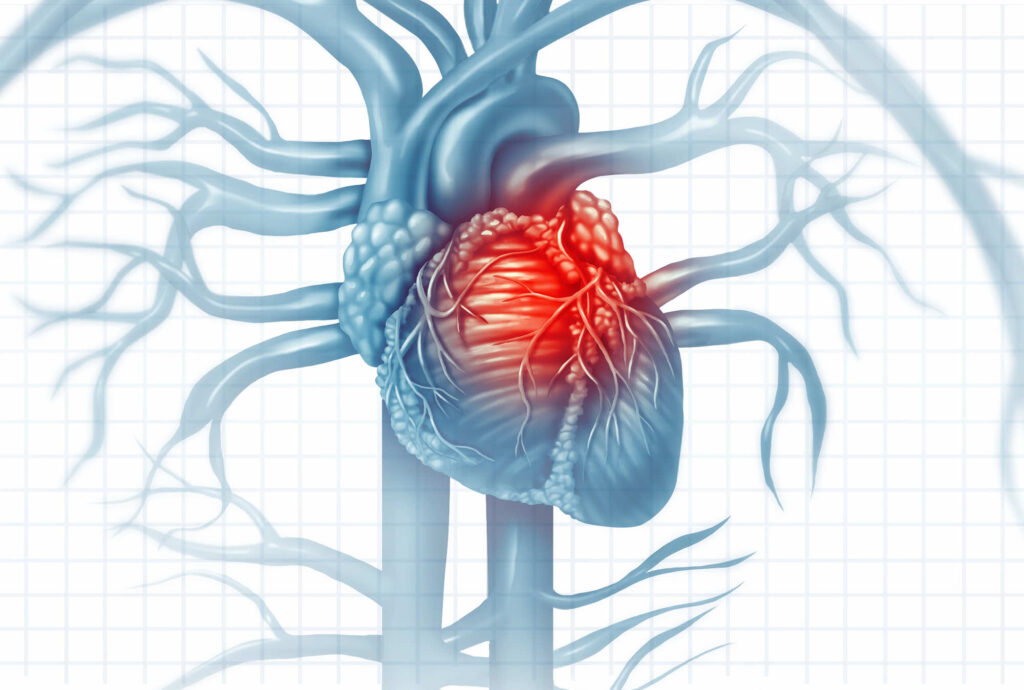
Cardiovascular prevention encompasses all measures aimed at preventing diseases of the heart („cardio“) and blood vessels („vascular“), slowing their progression and avoiding complications. It is the most proactive and effective approach in modern cardiac medicine. In the practice of Dr. Raphael Bruno, the cardiovascular prevention not just an additional service, but the fundamental philosophy. As a competent partner, we help you to understand your personal risks and lead a long and healthy life through targeted, often lifestyle-based measures.
The concept of cardiovascular prevention: more than just avoiding risks
The cardiovascular prevention is based on the scientific knowledge that most cardiovascular diseases such as heart attacks and strokes are not an inevitable fate. They are the result of a decades-long process that is largely driven by known and, above all, controllable risk factors. The approach of prevention is to identify these risk factors at an early stage and to treat them consistently. Instead of waiting to repair a disease that has already developed, we invest together in maintaining your health. This not only makes more medical sense, but also maintains your quality of life and performance.
The „Big 5“ of cardiovascular prevention: the most important risk factors under control
The strategy of cardiovascular prevention focuses on the management of the five most important risk factors responsible for the majority of cardiovascular events.

The good news is that the first four of these five factors are eminently treatable through lifestyle changes and modern medicine.
Cardiovascular prevention in practice: your personalized health roadmap
A successful cardiovascular prevention is always personalized. In our practice, the path begins with a comprehensive assessment (cardiological check-up). We record your personal situation and all relevant risk factors in detail. Based on this analysis, we create your individual health roadmap. This includes specific, measurable goals (e.g. target blood pressure, target LDL value) and a clear plan on how these goals can be achieved - through a combination of lifestyle optimization and, if necessary, targeted drug therapy.
The role of nutrition in cardiovascular prevention
Nutrition is one of the most powerful levers in the cardiovascular prevention. What we eat has a direct influence on our blood pressure, our blood lipid levels, our blood sugar and on inflammatory processes in the body. The Mediterranean diet is considered to be the best scientifically proven diet for heart health.
The building blocks of a heart-healthy Mediterranean diet
Food group | Recommendation | Why it is good for the heart & blood vessels |
Vegetables & Fruit | Plentiful and varied (at least 5 portions/day), in all colors. | Rich in vitamins, minerals, fiber and antioxidants that protect the blood vessels. |
Healthy fats | Preferably vegetable oils (olive oil), nuts, seeds and avocados. | Provides monounsaturated and polyunsaturated fatty acids, which increase the „good“ HDL cholesterol. |
Fish | At least 1-2 times a week, especially fatty sea fish (salmon, mackerel, herring). | Main source of omega-3 fatty acids, which have an anti-inflammatory effect and stabilize the rhythm. |
Wholemeal products | Prefer bread, pasta, rice and oatmeal made from whole grains. | Rich in fibre, which reduces cholesterol absorption and stabilizes blood sugar. |
Pulses | Regularly include lentils, beans and chickpeas in your diet. | Excellent source of vegetable protein, rich in fiber and cholesterol-lowering. |
Red meat & sausage | Consume only rarely and in small quantities. | Contain a lot of saturated fatty acids, which lower the good HDL cholesterol. |
Exercise: The dynamic pillar of cardiovascular prevention
Regular physical activity is like a drug for the cardiovascular system - only without the side effects. It trains the heart muscle, keeps the blood vessels elastic, lowers blood pressure and blood sugar and helps to reduce stress. An effective cardiovascular prevention through sport combines different forms of training.
As sports physicians, we will be happy to advise you on which program is suitable and safe for you.
Frequently asked questions about cardiovascular prevention
Here we answer common questions that we are asked as part of our preventive advice.
Do I have to become a vegetarian to protect my heart?
No. A plant-based diet has been proven to be very healthy for the heart, but strict vegetarianism is not necessary. The Mediterranean diet, which is considered the gold standard of cardiovascular prevention includes moderate amounts of fish, poultry and dairy products.
Which sport is best for cardiovascular prevention?
The best sport is one that you do regularly and enjoy. Endurance sport is particularly effective for heart health. However, a combination of endurance and moderate strength training has the best effects on the entire cardiovascular system and metabolism.
I am slim, do I still have to worry about my heart?
Yes, being slim is a great advantage, but unfortunately it is no guarantee of heart health. Even slim people can have genetically determined high cholesterol levels or undetected high blood pressure. A comprehensive cardiovascular prevention is therefore important for everyone.
At what age should I start with targeted prevention?
The earlier, the better. The foundations are laid during adolescence. An initial medical assessment as part of the cardiovascular prevention is advisable from the age of 35 to 40 at the latest, and much earlier if there is a family history of stress.
Is it enough if I change just one thing, e.g. my diet?
Any single measure is better than none. However, you will achieve the greatest effect if you turn several screws at the same time. The effects of a healthy diet, exercise and quitting smoking add up and potentiate each other.
Does red wine play a positive role in cardiovascular prevention?
The myth of the healthy glass of red wine has been largely refuted by science. Alcohol in any dose has potentially harmful effects on the body (e.g. increase in blood pressure, risk of arrhythmia). From the point of view of cardiovascular prevention there is no recommendation for regular alcohol consumption.
What is more important: endurance or strength training?
Endurance training is the basis for the cardiovascular system. However, strength training is an extremely important supplement, as maintaining muscle mass is crucial for a healthy metabolism and blood sugar control. The ideal strategy combines both.
How quickly do lifestyle changes work?
The effects are often noticeable and measurable sooner than you think. Improvements in blood pressure, blood sugar and weight can often be seen after just a few weeks of consistent exercise and dietary changes. This is a great motivating factor.
My LDL cholesterol is too high despite a healthy diet. Am I doing something wrong?
No. The level of LDL cholesterol is largely determined genetically. If the values remain significantly above the individual target value despite an optimized lifestyle, drug therapy in the sense of the cardiovascular prevention often unavoidable and necessary to protect you effectively.
Can I still start prevention in old age?
Yes, it's never too late. Even at the age of 60, 70 or 80, preventive measures such as starting moderate exercise or optimally controlling blood pressure and cholesterol still have a massive positive effect on health and remaining life expectancy.
Your health is no coincidence - actively shape it
The cardiovascular prevention gives you the unique opportunity to set the course for a long and healthy life yourself. In our practice, we support you with sound diagnostics and individual advice based on scientific evidence. Take responsibility for your heart. Make an appointment for your personal check-up.

 German German
  English
 Arabic
 Japanese
 Chinese
 Russian