

A cardiologist is a highly specialized medical specialist dedicated solely to the health of your heart and circulatory system. As your experienced Cardiologist in Düsseldorf, Dr. Raphael Bruno and the team at the practice are committed to providing you with the highest level of medical care based on trust, expertise and state-of-the-art diagnostics. We see the heart as the engine of life and use all our knowledge to protect its function, detect diseases at an early stage and ensure individually tailored, effective treatment.
The cardiologist: What are the tasks of a heart specialist?
The tasks of a cardiologist are wide-ranging and cover the entire life cycle of cardiovascular diseases - from prevention and acute treatment to long-term aftercare. In our Düsseldorf practice, Dr. Raphael Bruno defines his role as Cardiologist through four central pillars of its activities to ensure holistic patient care.
The most common conditions that a heart specialist treats include
When should you see a cardiologist in Düsseldorf?
The decision to consult a heart specialist should not be postponed if certain warning signs appear in the body. Early clarification by an experienced Cardiologists can be decisive in averting serious health problems.
Visit our practice in Düsseldorf if you suffer from the following symptoms:
In addition, a preventive examination with a Cardiologists is strongly recommended if you have known risk factors, even if you are not yet experiencing any symptoms. These include, in particular, diabetes, smoking, severe obesity and a family history of heart attacks or sudden cardiac death.
Cardiologist Dr. Raphael Bruno: A look at the main areas of focus
Every patient is unique and requires individualized care. As your Cardiologist in Düsseldorf, Dr. Raphael Bruno attaches particular importance to a holistic approach to your health. His comprehensive training as a specialist in internal medicine and cardiology is complemented by numerous additional qualifications that guarantee you state-of-the-art care.
Special areas of expertise of Dr. Bruno:
This broad range of expertise enables Dr. Bruno to act as your personal Cardiologist to think outside the box and recognize connections that can be crucial for your heart health.
The way to the cardiologist: What can you expect at your first appointment?
The first visit to a specialist is often associated with uncertainty. We would like to take this away from you by transparently explaining what you can expect at your first appointment with us at the Kardio Pro practice. Our aim is to create an atmosphere in which you feel well looked after and understood.
An initial appointment with your Cardiologists in Düsseldorf is typically divided into three steps:
Once these initial steps have been completed, Dr. Bruno will discuss the findings with you and plan the next steps.
Symptoms and possible diagnostic steps by your cardiologist
Modern cardiology has a variety of methods at its disposal to get to the bottom of the causes of symptoms. The following table gives you an exemplary overview of which symptoms a Cardiologist how to clarify.
Symptom | Possible cause (examples) | Typical first diagnostic step |
Chest pain on exertion | Coronary heart disease (CHD) | Exercise ECG |
Heart stumbling at rest | Cardiac arrhythmia (extrasystoles) | Long-term ECG |
Shortness of breath when climbing stairs | Heart failure, heart valve defects | Echocardiography (heart ultrasound) |
Sudden dizziness | Rhythm disturbances, blood pressure problems | Long-term ECG, long-term blood pressure measurement |
High blood pressure | Arterial hypertension | Blood pressure measurement, long-term blood pressure measurement |
Frequently asked questions for your cardiologist
Here we answer some of the questions we are frequently asked as cardiologists in Düsseldorf.
Do I need a referral to see a cardiologist?
No, privately insured patients can usually make an appointment directly without a referral. We treat patients with statutory health insurance as self-payers. No referral is necessary here either.
What is the difference between an internist and a cardiologist?
A Cardiologist is an internist with an additional, multi-year specialization in the cardiovascular system. While the general internist treats a broad spectrum of internal diseases, the cardiologist focuses on the complex functions and diseases of the heart with in-depth specialist knowledge. Dr. Raphael Bruno is a former senior physician at the Clinic for Cardiology at Düsseldorf University Hospital and is qualified as a specialist in internal medicine and cardiology for both areas.
How do I prepare for my first appointment with a cardiologist?
Good preparation helps your Cardiologists, to quickly get a comprehensive picture. Please bring a current list of your medication, relevant doctor's letters or hospital reports and, if available, your blood pressure or blood sugar pass. It is best to make a note of your questions in advance so that you do not forget anything important during the consultation.
Does my family doctor have to receive the results from the cardiologist?
Yes, close cooperation between your GP and specialist is essential for optimal treatment. With your consent, we will send a detailed report to your GP once the examinations have been completed. This ensures that your GP is informed of all the findings and the treatment that has been initiated and can continue to coordinate the treatment as your first point of contact.
How dangerous are cardiac arrhythmias?
The danger of cardiac arrhythmias varies greatly. Many forms, such as occasional palpitations, are harmless. Others, such as atrial fibrillation, increase the risk of stroke and must be treated. The task of the cardiologist is to determine the exact type of arrhythmia and assess the associated risk by means of examinations such as the long-term ECG.
Can the cardiologist also give a „second opinion“?
Of course. If you have been given a serious diagnosis or are planning major heart surgery, you are entitled to get a second specialist opinion. As an experienced Cardiologist Dr. Raphael Bruno will be happy to provide you with such a second opinion and will assess your findings objectively and independently.
Does a cardiologist „only“ treat high blood pressure?
Yes, absolutely. High blood pressure is one of the biggest risk factors for heart attacks, strokes and heart failure and is therefore one of the core competencies of a cardiologist. The expertise of a certified hypertensiologist such as Dr. Bruno is particularly important in cases of difficult to control or unclear high blood pressure in order to clarify the causes and find the optimal medication.
What does it mean when the cardiologist performs a heart ultrasound?
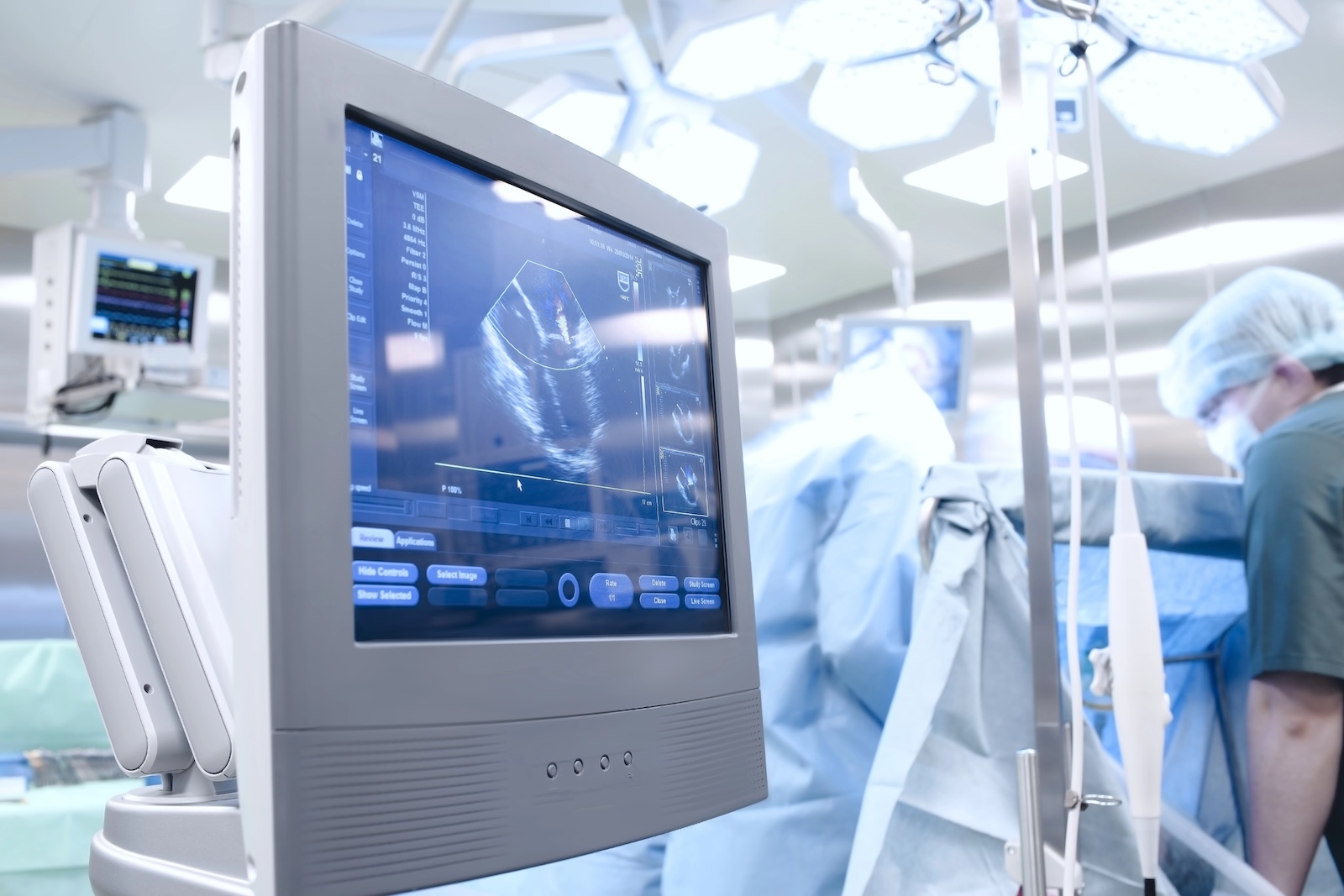
Cardiac ultrasound (echocardiography) is one of the most important examinations for a Cardiologists. It is painless and does not involve radiation. With this method, the doctor can assess the size of your heart, the thickness of the heart walls, the pumping function and the functioning of the heart valves in real time - information that is essential for many diagnoses.
How often should I go to the cardiologist for a check-up?
The frequency of check-ups depends on your individual health situation. Patients with stable chronic heart disease often come for a check-up every six months or once a year. In the case of newly diagnosed illnesses or after a change in therapy, appointments may also be necessary at shorter notice. Your Cardiologist will determine a suitable control rhythm for you.
Does a cardiologist work with hospitals?
Yes, close networking is crucial. As an established Cardiologist in Düsseldorf, Dr. Raphael Bruno works closely with the cardiology departments of the surrounding hospitals. If you require inpatient treatment or an intervention such as a cardiac catheterization, we will establish contact and ensure a seamless handover and further care.
Your trusted partner for heart health in Düsseldorf
The relationship between patient and doctor is a partnership based on trust and competence. Dr. Raphael Bruno sees himself as your long-term companion and advisor in all matters relating to your heart health. At the Kardio Pro practice, you can expect attentive care that focuses on the individual. If you are looking for an experienced Cardiologists in Düsseldorf, please make an appointment. We will make time for you.


 German German
  English
 Arabic
 Japanese
 Chinese
 Russian