
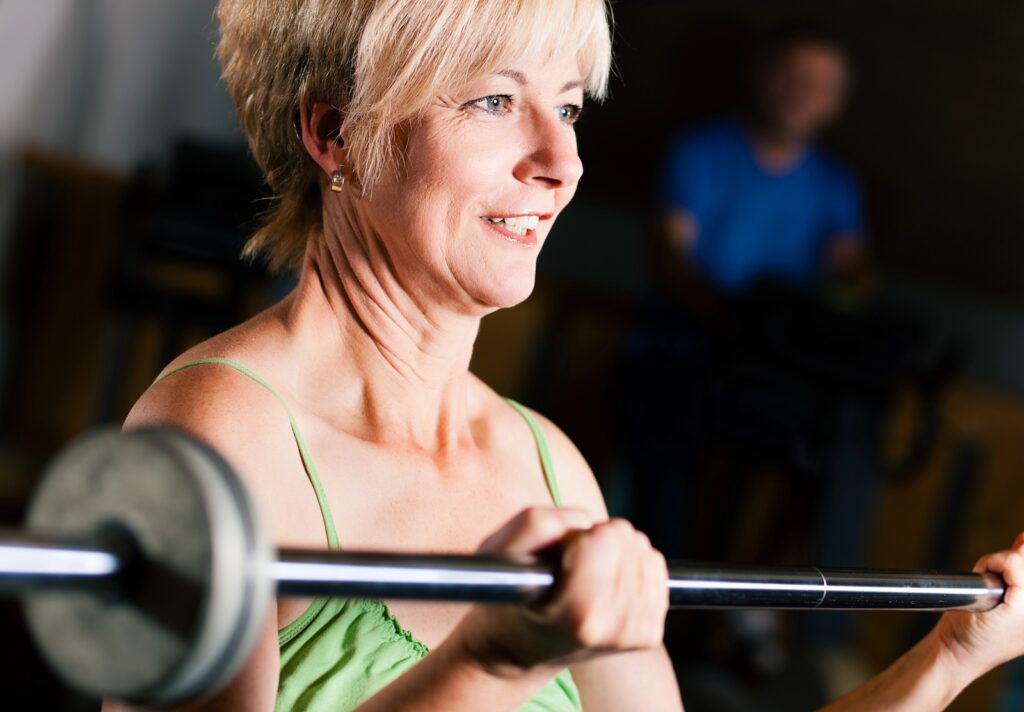
Heart health for women requires special medical attention, as women's hearts age differently, become diseased differently and often show different symptoms than men's hearts.1 Although cardiovascular disease is the number one cause of death in women, it is still often misjudged as a typical „male problem“. In the practice of Dr. Raphael Bruno, we dedicate ourselves to Heart health for women with the necessary differentiation and expertise. We are aware of the biological peculiarities and apply this knowledge to offer you precise, personalized and gender-sensitive cardiology.
The female heart: biological and hormonal characteristics
The differences in the Heart health for women start with biology. On average, women's hearts are smaller and lighter than men's hearts. The coronary arteries are also often finer and tend to develop different patterns of disease. The decisive factor, however, is the hormonal influence, particularly oestrogen.
These biological conditions are the reason why „one-size-fits-all“ medicine is not sufficient in cardiology.

Heart health for women: The „atypical“ heart attack
Probably the most important lesson in the Heart health for women is to recognize the symptoms of a heart attack, which may differ from the „classic“ textbook symptoms.2 While the sudden, devastating chest pain can also occur in women, they often experience other, so-called „atypical“ symptoms.3 Unfortunately, these are often misinterpreted, which leads to a life-threatening delay in treatment.
Atypical warning signs in women:
Every woman should be aware of these symptoms and call 112 immediately if they occur suddenly and severely.
Specific heart diseases in women: SCAD and Takotsubo
In addition to the different presentation of known diseases, there are also clinical pictures that almost exclusively or predominantly affect women.6 Knowledge of these specific diseases is a core aspect of modern Heart health for women.
Breast pain in women - Possible causes
Type of chest pain | Possible cause | Typical characteristics for women |
Classic angina pectoris | Arteriosclerosis of the large coronary arteries (CHD). | Load-dependent pressure/tightness, but can also be atypical. |
Microvascular angina | Dysfunction of the small heart vessels. | Often prolonged pain, even at rest, poor response to nitro spray. |
SCAD pain | Tear in a coronary artery. | Sudden, severe, often tearing pain, similar to a heart attack. |
Non-cardiac pain | Causes in the musculoskeletal system, the esophagus or psychogenic. | Often stinging, dependent on breathing, triggered by pressure on the chest. |
Risk factors in the focus of heart health for women
In addition to the classic risk factors (smoking, high blood pressure, cholesterol, diabetes), there are other factors that are responsible for the Heart health for women have a special or exclusive meaning.
Heart health for women: What you can do yourself
The good news is that you can have a huge impact on your heart health through your lifestyle. The Heart health for women is largely in your own hands.
Frequently asked questions about heart health for women
Here we answer frequently asked questions from patients in our practice.
What is microvascular dysfunction?
This is a functional disorder of the smallest arteries in the heart. These vessels are responsible for the fine regulation of blood flow. If they are dysfunctional, they cannot dilate properly, which leads to an undersupply of oxygen and chest pain, even though the large coronary arteries are clear. This condition affects women disproportionately often and is an important aspect of Heart health for women.
Will I be heart-damaged forever after a „broken heart syndrome“?
In the vast majority of cases, the heart muscle recovers completely within weeks to months after a Takotsubo cardiomyopathy.10 However, it is a serious acute event that requires careful cardiologic monitoring and follow-up to ensure full recovery and rule out possible rare complications.
How dangerous is a spontaneous coronary artery dissection (SCAD)?
A SCAD is an acute heart attack and therefore a life-threatening event that requires immediate emergency medical treatment. However, the long-term prognosis after a healed SCAD is often better than for a heart attack caused by arteriosclerosis, as the remaining vessels are usually healthy. Follow-up care with a specialist for Heart health for women is crucial here.
Does the thyroid gland play a special role for my heart?
Yes, thyroid disorders are significantly more common in women than in men. Both hyperthyroidism and hypothyroidism can have significant effects on the heart, e.g. palpitations, atrial fibrillation or worsening heart failure. Checking thyroid levels is therefore often part of the cardiological work-up.
Why does my blood pressure rise during the menopause?
The drop in oestrogen after the menopause causes the blood vessels to lose elasticity and become stiffer. This leads to an increase in blood pressure in many women.11 Regular monitoring and, if necessary, the timely initiation of therapy is a central component of Heart health for women in this phase of life.
Is hormone replacement therapy good or bad for my heart?
This question is complex. Hormone replacement therapy is no longer primarily recommended for heart prevention. However, it can significantly improve the quality of life of women with severe menopausal symptoms.12 The decision must be made individually after carefully weighing up the benefits and risks together with the gynecologist and cardiologist.
I have migraines with aura. Is this a risk for my heart?
Yes, women with migraine with aura have a slightly increased risk of stroke. This risk is significantly increased by taking the pill and, in particular, by smoking. Comprehensive advice on risk factors is particularly important for these patients.
My stress test was normal, but I still have chest pain. What should I do now?
This is a classic situation in which the special features of the Heart health for women come into play. A normal exercise ECG does not rule out microvascular angina. Further, specialized examinations or a very precise drug test therapy by an experienced cardiologist are often necessary here.
Why should I go to a cardiologist who knows about gender medicine?
Because he takes your „atypical“ symptoms seriously, knows the specific female risk factors and interprets the examination results in a gender-specific context. This increases the chance of a correct and timely diagnosis and an effective treatment tailored to you.
Is stress more dangerous for women's hearts than for men's hearts?
Studies suggest that women can react to psychological stress with stronger physical reactions of the cardiovascular system. Diseases such as „broken heart syndrome“ clearly show how close the connection between the psyche and the heart can be in women. Stress management is therefore a particularly important aspect of Heart health for women.
Your heart is unique - protect it specifically
The Heart health for women requires sophisticated knowledge and special medical attention. Take your health into your own hands by listening to your body's signals and seeking advice from a specialist who understands your needs. Make an appointment to discuss your personal preventive care strategy.



 German German
  English
 Arabic
 Japanese
 Chinese
 Russian