
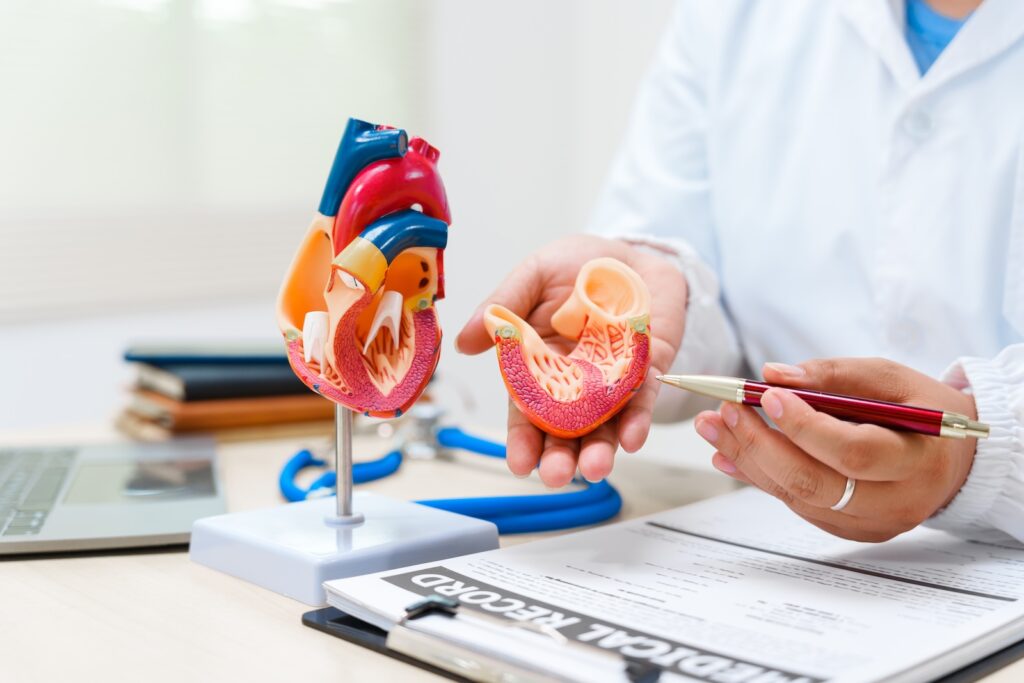
Heart problems after exercise, such as heart stumbling, chest tightness or pain, dizziness or persistent palpitations, are serious warning signs that should never be ignored. While exercise is essential for a healthy heart, exercise can also alert the body to hidden conditions. As an experienced sports cardiologist (DGK, level I) in Düsseldorf, Dr. Raphael Bruno specializes in diagnosing the exact cause of such complaints.1 It is important to emphasize that not every symptom is dangerous, but only a specialist medical examination can give you the necessary security to be able to practice your sport again without any worries.
IMPORTANT NOTICE: In the event of acute, severe chest pain, severe shortness of breath, cold sweats or unconsciousness during or after sport, don't hesitate for a second and call the emergency services immediately. Emergency call 112!2 It could be a heart attack.
What symptoms indicate heart problems after exercise?
It is normal to feel exhausted and short of breath after an intensive training session. However, certain symptoms go beyond a normal exertion reaction and should alert you.
See a specialist if you notice one or more of the following signs after exercise:
Symptom check: Normal exhaustion or alarm sign?
Symptom | Normal / harmless (mostly) | Alarm signs / in need of clarification |
Shortness of breath | Occurs during high exertion, normalizes at rest within a few minutes. | Occurs with light exertion, is stronger than usual, lasts for a long time at rest. |
High pulse | The heart rate rises in line with the exertion and falls steadily during the recovery phase. | The pulse „races“ for an unusually long time after exercise, is noticeably irregular or „stumbles“. |
Chest sensation | Slight pulling in the chest muscles, side stitches. | Pressure, tightness, burning or pain behind the breastbone, possibly with radiation. |
Tiredness | Pleasant exhaustion after training, which disappears after a recovery phase. | Extreme, leaden tiredness that lasts for days, feeling of „being ill“. |
Dizziness | Slight dizziness immediately after stopping abruptly after maximum exertion. | Severe dizziness or „blackness before the eyes“ during or after exercise, feeling of fainting. |
Possible causes of heart problems after exercise
The causes of cardiac symptoms after exercise are varied. They range from harmless functional disorders to serious illnesses. Only careful diagnostics can provide clarity here.
Possible causes may be
Heart problems after sport: the diagnostic path to the sports cardiologist
If you work with Heart problems after sport come to our practice, we follow a systematic diagnostic path to identify the cause with certainty. As a sports cardiologist, Dr. Raphael Bruno applies specific criteria that are tailored to the assessment of athletes' hearts.
The diagnostic steps include:
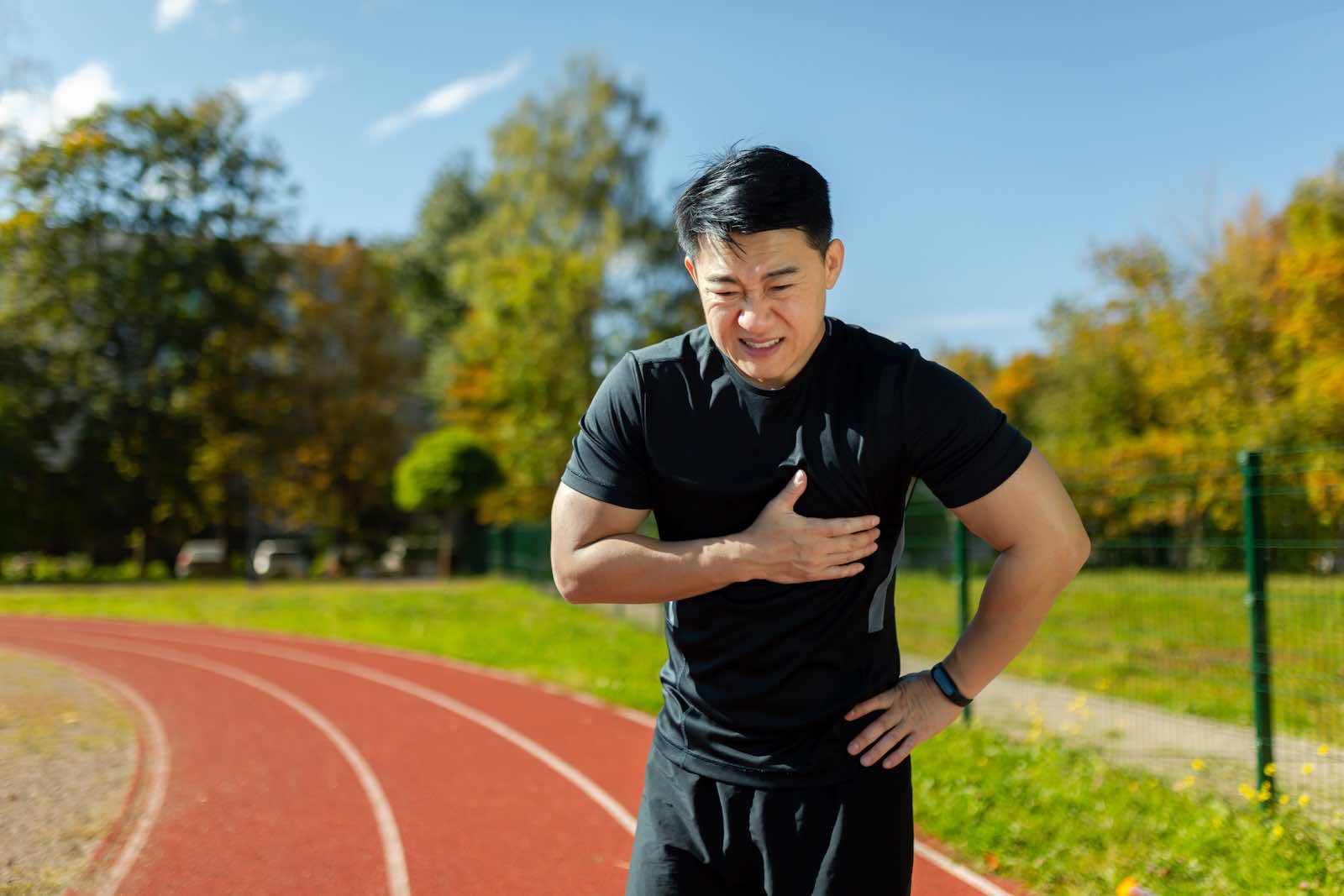
The special case: heart problems after an infection (myocarditis)
Particular caution is required if Heart problems after sport occur in conjunction with a viral infection (e.g. flu, gastrointestinal infection, Covid-19). Exercise during or too soon after an infection can lead to inflammation of the heart muscle (myocarditis).3 This is one of the most common causes of sudden cardiac death in young athletes. Symptoms such as an unexplained drop in performance, heart stumbling or a feeling of pressure after an infection should therefore always prompt you to take an immediate and complete break from sport and seek medical advice.
Sport after heart problems: How to return to sport safely
The diagnosis of a heart problem does not necessarily mean the end of a sporting career. After a precise diagnosis and treatment, it is the task of the sports cardiologist to draw up a safe plan for your return to sport. Based on the individual findings and the guidelines of the specialist associations, we will determine exactly when, in what form and at what intensity you may return to sport. This approach ensures maximum safety and helps you regain confidence in your body.
Frequently asked questions about heart problems after sport
Here we answer common questions from athletes who have noticed heart problems.
I only sometimes have heart palpitations after exercise. Is that bad?
Occasional heart stumbles after exercise are often harmless and can be caused by electrolyte imbalances or the autonomic nervous system „shutting down“. However, if the stumbles occur more frequently, as „volleys“, or if they are associated with dizziness or shortness of breath, it is advisable to clarify your heart condition. Heart problems after sport by means of long-term and exercise ECG is strongly recommended.
Can you get heart problems from too much sport?
Yes, that is possible. Chronic „too much“ high-intensity exercise without sufficient recovery can overload the heart and increase the risk of arrhythmias such as atrial fibrillation. A healthy balance between exercise and recovery is crucial in order to benefit from the positive effects of sport without harming the heart.
My heart rate takes a very long time to drop after exercise. What does that mean?
A rapid recovery of the heart rate after exercise is a sign of good training condition.4 In rare cases, however, a pathologically slowed heart rate recovery may indicate a dysfunction of the autonomic nervous system or a heart disease. If you notice this, it should be discussed as part of a sports cardiology examination.
I had Corona/Covid-19, what do I have to watch out for during sport?
After a Covid-19 infection, even with a mild course, particular caution is required as the virus can attack the heart muscle.5 The recommendation is to only start exercising again slowly once you have fully recovered and are symptom-free.6 Occurrence during resumption Heart problems after sport (e.g. unusual shortness of breath, feeling of pressure), it is essential to take an immediate break from sport and undergo a cardiological examination.
Can side stitches have anything to do with the heart?
No. Classic side stitch is a cramp-like pain that usually occurs below the ribcage and is attributed to irritation of the diaphragm.7 It is harmless. Heart-related pain (angina pectoris) is typically felt in the middle of the chest as pressure or tightness.8
Is heartburn after exercise dangerous?
Heartburn after exercise is usually due to the reflux of stomach acid and is harmless. However, it is important to note that the symptoms of a heart attack (especially in women) can sometimes be misinterpreted as upper abdominal discomfort or a strong burning sensation. If the „burning“ pain occurs again and is accompanied by shortness of breath or a feeling of tightness, it must be clarified by a doctor.
I am young and fit. Can I still have serious heart problems?
Yes, unfortunately. While coronary heart disease tends to occur in old age, the causes of Heart problems after sport young athletes often have congenital, undetected heart muscle or rhythm disorders. This is precisely why preventive examinations (screenings) are so important, even for young, seemingly healthy competitive athletes.
My blood pressure is always very low after exercise. Is that a problem?
A brief drop in blood pressure directly after the end of intensive exercise is often normal.9 However, if the low blood pressure leads to severe dizziness or light-headedness, this should be clarified. A blood pressurewaste already while of the load, on the other hand, is always a serious alarm signal.
Can myocarditis be prevented?
The best prevention is to take a consistent break from sport every time you have a fever. The rule of thumb is to take at least one week's complete break from sport for every day you have a fever. Listen to your body and only start training again when you feel 100% healthy and fit.
Where can I find a specialist for heart problems after sport in Düsseldorf?
If you are looking for an experienced contact in the Düsseldorf region for Heart problems after sport a certified sports cardiologist like Dr. Raphael Bruno is the right choice. His practice specializes in clarifying precisely these specific symptoms in active people.
Safety in sport has top priority
Your body is giving you signals. Take Heart problems after sport seriously and obtain clarity through a professional examination. Health is the basis for any sporting performance. At our practice in Düsseldorf, we offer you the sports cardiology expertise you need for a safe and carefree sporting experience. Make an appointment for clarification.


 German German
  English
 Arabic
 Japanese
 Chinese
 Russian