
LIPIDOLOGY
Lipidology: vascular protection through optimal cholesterol
Elevated blood lipid levels are one of the most significant risk factors for heart attacks and strokes - and yet they often go unnoticed for years. As a lipidology specialist, we analyze PD Dr. med. Raphael Bruno your lipid metabolism far beyond the usual level. We not only look at the standard cholesterol, but also identify genetic risks and the smallest particles that endanger your blood vessels. Our goal is a customized therapy concept that protects your blood vessels in the long term and ensures your quality of life.
LIPIDOLOGY
Precision for your blood vessels: 7 steps of lipid metabolism therapy
Cholesterol management today is high-precision medicine. It is no longer a question of lowering a value across the board, but of calculating the individual risk exactly. PD Dr. med. Raphael Bruno uses the latest biomarkers to decide which therapy is the safest and most effective for you.
- Detailed family history: Identification of hereditary factors for premature vascular calcification.
- Extended lipid profile:Measurement of LDL, HDL, triglycerides and the important lipoprotein(a).
- Particle analysis: Determination of apolipoprotein B (ApoB) for a more precise assessment of vascular risk.
- Vascular check (ultrasound):Direct visual inspection of the carotid arteries for existing deposits (plaques).
- Genetic risk stratification: Assessment of whether familial hypercholesterolemia is present.
- Individual target value definition: Determination of your personal LDL target value based on your overall risk.
- State-of-the-art therapy options: Advice on nutrition, classic statins and innovative PCKS9 inhibitors or Inklisiran
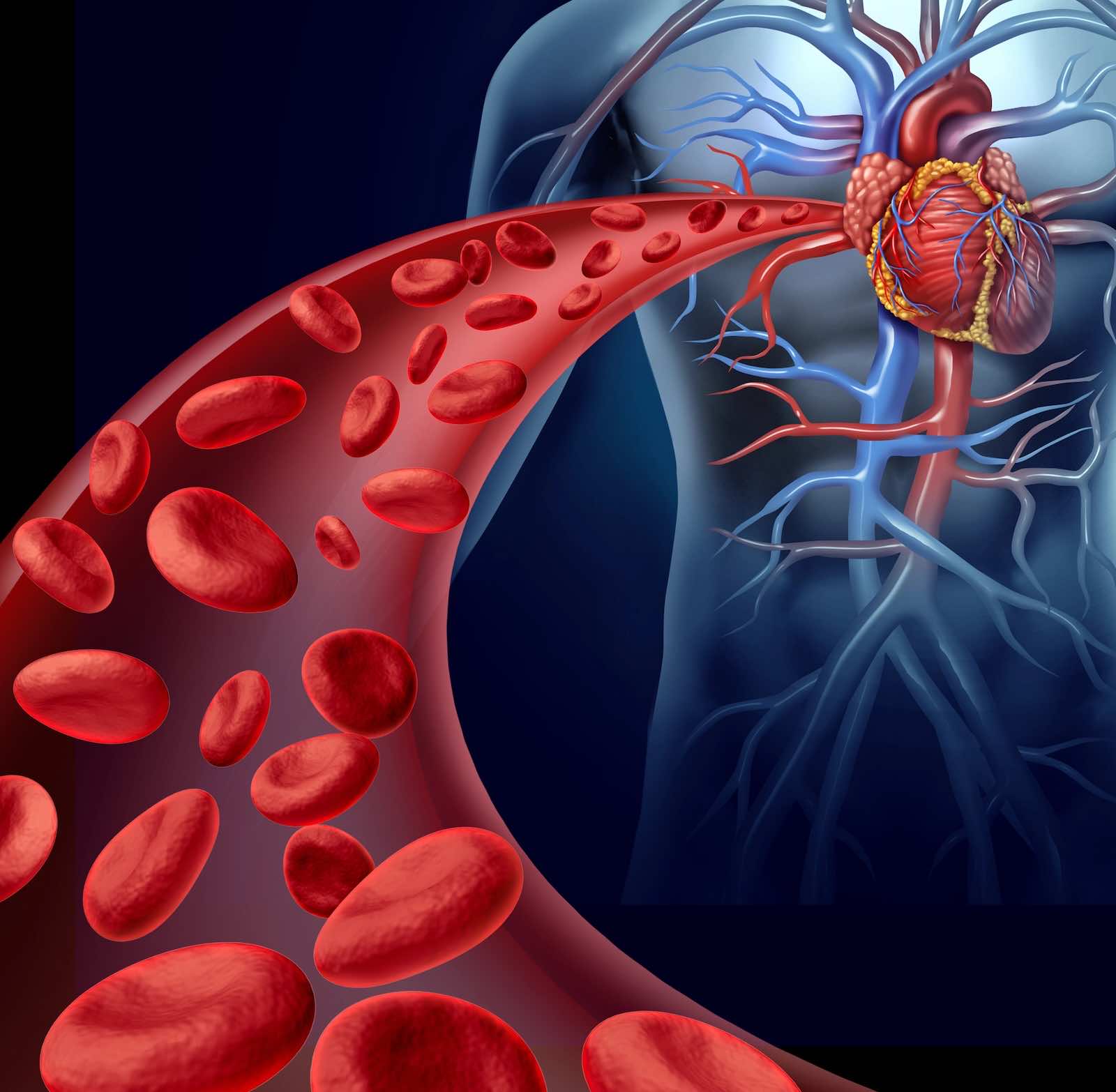
When should you have your blood lipid levels checked by a specialist?
Early management of lipids can stop or even partially reverse the process of arteriosclerosis.
Patients with a „family burden“: If you have a family history of heart attacks or strokes at a young age.
Treatment-resistant cases: If your cholesterol does not fall despite diet or standard medication.
Statin intolerance: If you cannot tolerate conventional cholesterol-lowering drugs due to side effects (e.g. muscle pain).
High-risk patients: After a previous cardiac event to aggressively prevent recurrences
What we measure - The depth of lipid diagnostics
The classic „good“ and „bad“ cholesterol is often no longer sufficient today. We use specialized laboratory parameters to decipher your true vascular risk.
| Parameter & measured value | Medical significance |
| LDL cholesterol | Main risk factorThe „bad“ cholesterol, which is deposited directly in the vessel walls. |
| Lipoprotein(a) | Genetic markerA largely diet-resistant value that massively increases the risk of heart attacks. |
| Apolipoprotein B | Particle countA more precise value than LDL, as it measures the exact number of vascular-damaging particles. |
| Triglycerides | Neutral fatsImportant marker for sugar metabolism and the risk of pancreatitis. |
| hs-CRP | Vascular inflammationMeasures the inflammatory activity in the vessel walls (silent inflammation). |
| Intima-Media thickness | Vessel statusUltrasound measurement of vessel wall thickness as a direct measure of incipient arteriosclerosis. |
LIPIDOLOGY
Frequently asked questions about cholesterol & fat metabolism
Early clarification of symptoms or risk factors is the key to long-term heart health. Our cardiology practice in Düsseldorf offers you the right specialized care for every need.
Diet often only accounts for around 15-20% of the cholesterol level. The majority is produced by the body itself (especially in the liver), which is why drug support is often necessary.
This value is genetically determined and hardly changes through lifestyle. People with a high level often need very low LDL values to balance out the overall risk.
Severe side effects are rare. Changing the preparation or the dose often helps. There are also excellent alternatives without muscle side effects.
The target values depend on the overall risk. A patient with pre-existing vascular damage needs much lower LDL levels than a healthy 20-year-old with no risk factors.
Yes, for an accurate lipid profile you should not have eaten for at least 10-12 hours beforehand (water and unsweetened tea are allowed).
Modern antibody therapies (PCSK9 inhibitors) only need to be injected every 2 weeks or even every 6 months (Inklisiran) and lower LDL extremely effectively and safely.
LIPIDOLOGY
Individual lipid therapy
Lipidology is all about vision. In our practice in the New Stahlhof we take the time to explain your lab results in a clear and understandable way and work with you to develop a plan that fits into your daily routine. PD Dr. med. Raphael Bruno combines scientific expertise with modern diagnostics. We protect your blood vessels discreetly, effectively and in line with the latest research - so that you can continue to rely on your health in the future.


 German
  English
  Arabic
  Japanese
  Chinese
  Russian