

Sports medicine: improve performance, protect health with Dr. Raphael Bruno
Sports medicine is the medical discipline that deals specifically with the positive effects of exercise on the human body and with the prevention and treatment of sports-related problems. It is the bridge between scientific medicine and practical sporting activity. In our practice, Dr. Raphael Bruno understands the Sports medicine as a proactive approach that helps you to maintain your health through targeted exercise, safely increase your personal performance and set the course for a long, active life.
Sports medicine as the key to prevention and longevity
Exercise is one of the most effective measures for preventing lifestyle diseases. The modern Sports medicine makes targeted use of this effect to proactively shape health instead of just reacting to illnesses that have already occurred. A scientifically based sports program can significantly reduce the risk of numerous chronic conditions.
The preventive benefits that are optimized by sports medical care:
Sports medical performance diagnostics enable the precise measurement of this value and the creation of a training plan for its targeted improvement.
The sports medical examination: a foundation for safe training
Before you start a new training program or increase the intensity of your existing training, a sports medical examination is essential. It serves as a health check and ensures that your body is ready for the upcoming exertion. The cardiovascular system in particular will be closely examined to detect any undetected risks.
A comprehensive sports medicine examination in our practice typically includes the following components:
This careful examination forms the secure foundation on which your future training can build.
Sports medicine for performance optimization: Targeted training, achieving goals
The Sports medicine is not only for safety, but also for efficiency. Many athletes train by feel, which often leads to stagnation in performance or even overload. Sports medical performance diagnostics provide objective data about your fitness level and allow you to precisely control your training. Based on the results (e.g. from spiroergometry), we can determine your individual training zones.
Training according to pulse zones: An example
Training zone | Intensity (% of max. heart rate) | Physiological goal |
REKOM | 50 - 60 % | Regeneration, acceleration of recovery |
Basic endurance 1 (GA1) | 60 - 75 % | Fat metabolism training, improvement of basic endurance |
Basic endurance 2 (GA2) | 75 - 85 % | Improvement of aerobic capacity, economization of the cardiovascular system |
Competition-specific endurance (WSA) | 85 - 95 % | Training of lactate tolerance, simulation of the competition load |
Peak range (SB) | 95 - 100 % | Maximum utilization, improvement of VO₂max |
Training that makes targeted use of these zones is significantly more effective and goal-oriented than undifferentiated training.
The heart in the focus of sports medicine: sports cardiology expertise
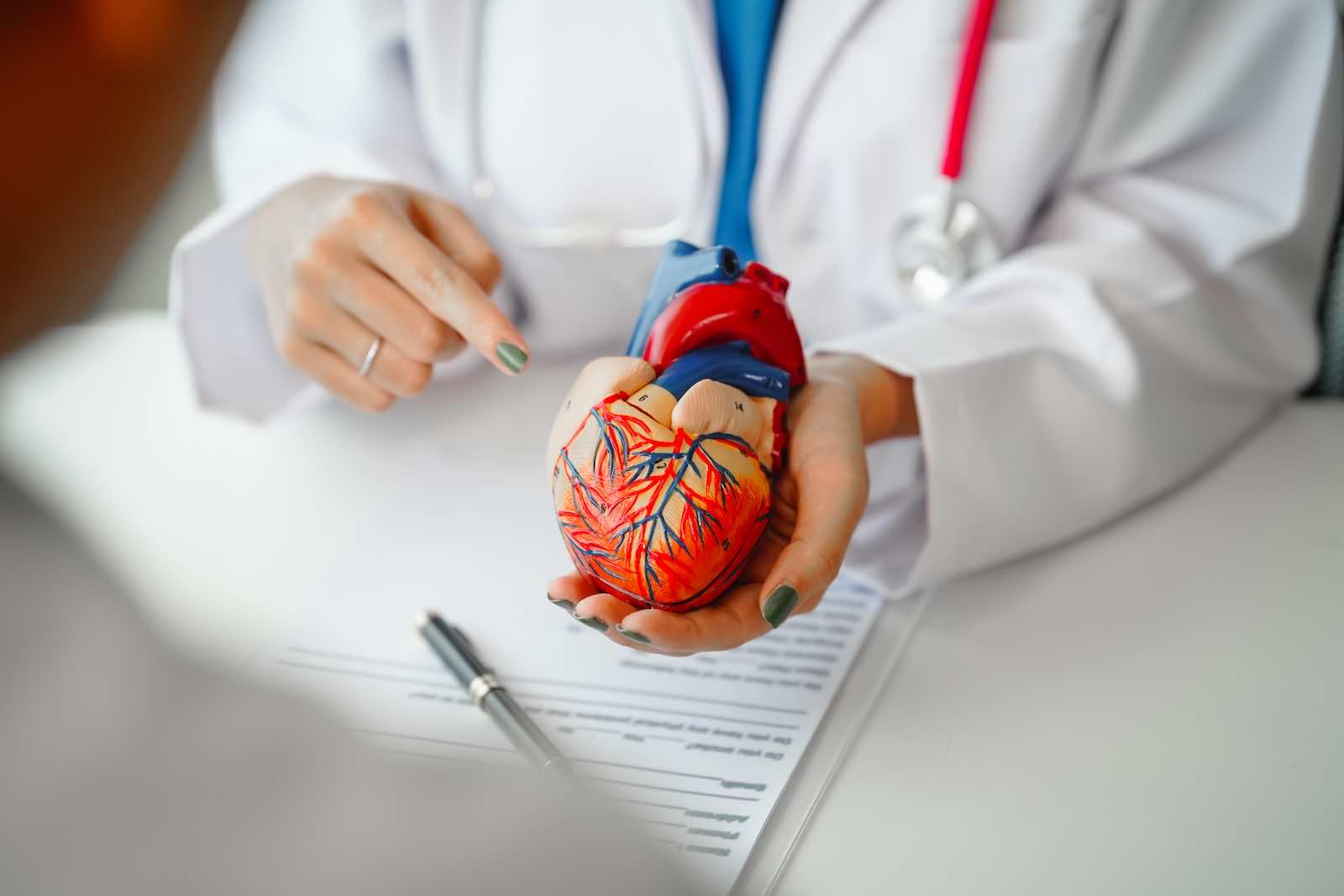
The heart is the engine of every sporting performance. As a specialist in cardiology and certified sports cardiologist (DGK), Dr. Raphael Bruno places particular emphasis on the health of your heart in the context of sporting exertion. Intensive training leads to natural adaptations of the heart - it becomes bigger and stronger, we speak of the „athlete's heart“.
Sports cardiology expertise is crucial in order to:
This dual specialization ensures that your most important resource - your heart - is optimally protected for all your sporting ambitions.
Frequently asked questions in sports medicine
Here we answer common questions that we are asked in the context of sports medical care.
What is the difference between sports medicine and physiotherapy?
The Sports medicine is a medical specialty that deals with the diagnosis of diseases, the assessment of the resilience of internal organs (especially the heart) and training management. Physiotherapy is a therapeutic discipline that focuses primarily on the treatment and rehabilitation of functional disorders of the musculoskeletal system, often following injury or surgery. Both disciplines work closely together.
Does sports medicine also help with weight loss?
Yes, successful and sustainable weight management is based on a combination of dietary changes and targeted exercise. A sports medical examination ensures that you are healthy and safe to start training. Performance diagnostics also help to determine the optimum training intensities for maximum fat burning.
I have high blood pressure, does a sports medical examination still make sense?
This is when it is particularly important. Regular exercise is a central component of high blood pressure therapy. A sports medicine examination will clarify which types of sport and intensities are safe and particularly effective for lowering your blood pressure. It ensures that your blood pressure does not rise to dangerous levels under stress.
What does the term „athlete's heart“ mean?
An „athlete's heart“ is a heart that has been enlarged and strengthened through regular, intensive endurance training. This adaptation is physiological and a sign of high performance. An experienced sports cardiologist can reliably distinguish this normal adaptation in a cardiac ultrasound from pathological changes, which can show similar images.
Will my health insurance cover the costs of the examination?
Many statutory health insurance companies have recognized the high preventive value of the Sports medicine and subsidize a sports medical check-up. The amount of the subsidy and the exact conditions vary from health insurance fund to health insurance fund. It is advisable to ask your health insurance company in advance. The examination is usually free of charge for private patients.
I am over 40 and would like to start running again. What do I need to consider?
A sports medical check-up is strongly recommended for you. If an untrained athlete starts training again after a long break, the risk of a heart attack is greatly increased. The risk of undetected cardiovascular disease increases with age. The examination ensures that your heart and musculoskeletal system are able to cope with the new strain. We also give you valuable tips for a gentle and injury-free return to exercise.
How often should a sports medicine examination be repeated?
For ambitious athletes who want to control their training precisely, it makes sense to repeat the performance diagnostics every 12 to 18 months in order to adapt the training areas to the improved fitness. For health-oriented athletes or for purely preventative purposes, an interval of two years is usually sufficient, provided no new complaints arise.
What is the lactate test and what is it used for?
The lactate step test is a method of performance diagnostics. During a gradually increasing workload on the ergometer, a small drop of blood is repeatedly taken from the earlobe to measure the concentration of lactate (lactic acid). The lactate curve can be used to determine the individual anaerobic threshold and derive precise training zones.
Can I do sport even if I have a known heart condition?
In the vast majority of cases, this is not only possible, but actually an important part of the therapy. The prerequisite is a thorough sports cardiology assessment in order to safely define the exercise limits. In cardiac sports groups or with an individually created training plan, patients with CHD or after a heart attack can also benefit from the positive effects of exercise.
Does sports medicine also offer advice on nutrition?
Yes, a sport-appropriate diet is crucial for performance and regeneration. As part of a comprehensive sports medicine consultation, fundamental aspects of nutrition are also discussed. This includes the correct intake of macronutrients (carbohydrates, fats, proteins) and an adequate supply of fluids and micronutrients.
Your partner for a healthy and active lifestyle
The Sports medicine is an investment in your most valuable asset: your health and your quality of life. Whether you are a beginner who wants to get off to a safe start, an ambitious athlete who wants to optimize your performance or a person who wants to prevent illness through targeted exercise - Dr. Raphael Bruno and his team will support you with the highest level of professional expertise. Make an appointment and lay the foundations for an active and healthy life.


 German German
  English
 Arabic
 Japanese
 Chinese
 Russian