

„Your cholesterol looks good.“ - That's the sentence most patients hear after their annual check-up with their GP. But the statistics tell a different story: almost 50 % of all heart attacks affect people with seemingly „normal“ cholesterol levels.
How does that fit together?
The answer lies in the depth of the diagnostics. While standard medicine often still uses measurements from the 1990s, at KardioPro in Düsseldorf we use modern precision medicine methods. We now know that it's not just how much cholesterol you have, but in what form it is present and whether it inflames your blood vessels.
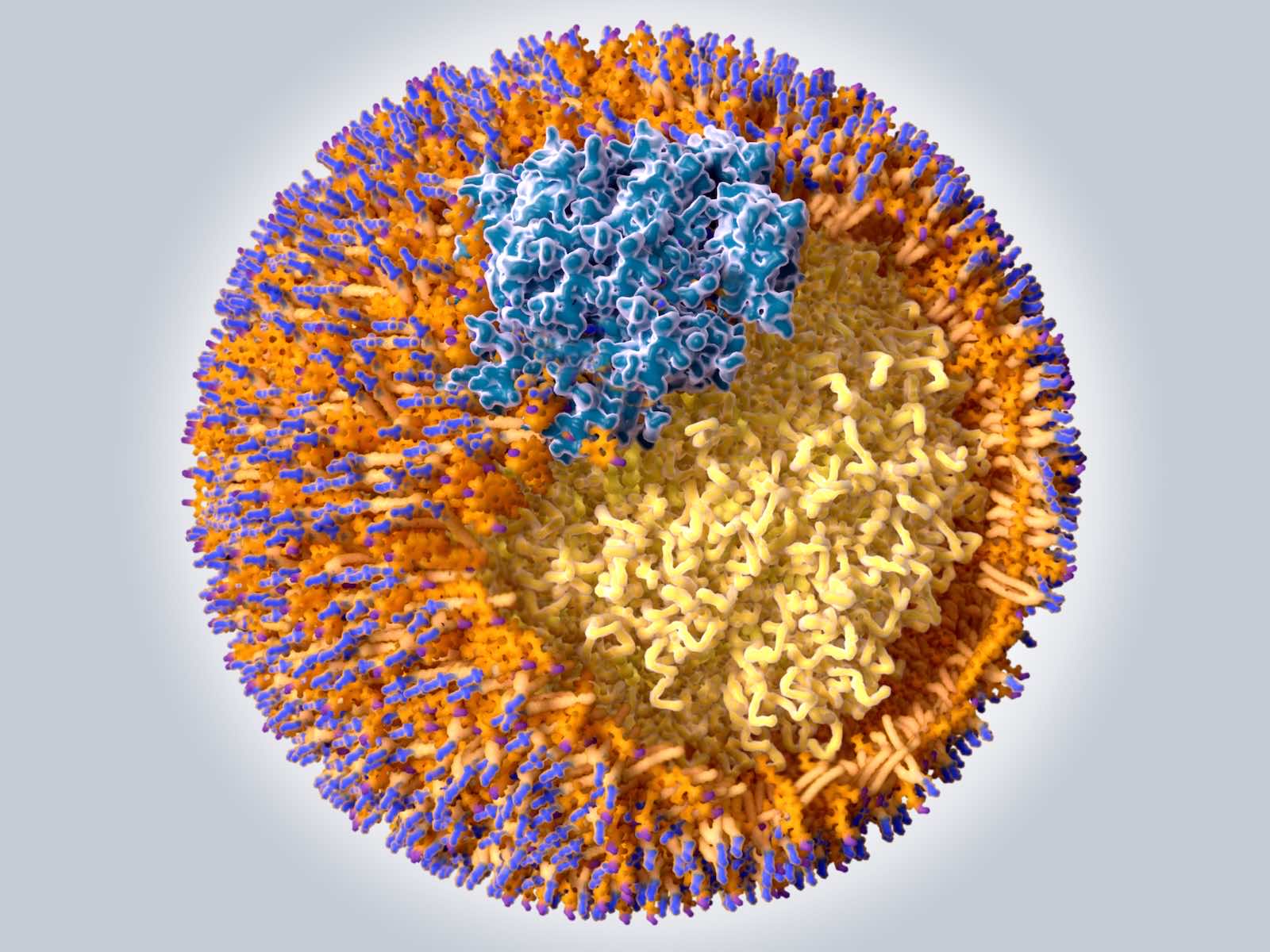
The classic lipid profile often gives a false sense of security. The true guardians of your heart health are markers such as ApoB, LDL subfractions and oxidized LDL.
The problem with the standard LDL: the „weight trap“
Imagine a highway. The conventional LDL-C (Low Density Lipoprotein) only measures the total weight of all vehicles on the road. But it doesn't tell us whether they are a few large buses (harmless) or thousands of small, aggressive motorcycles (dangerous).
A traffic jam is not caused by the weight of the vehicles, but by their number. This is precisely where the advanced lipid diagnostics that we use in our practice come in.
The 4 pillars of modern cardiac diagnostics at KardioPro
To determine your actual risk of arteriosclerosis (hardening of the arteries) and heart attacks, we take a closer look at your blood count:
1. apolipoprotein B (ApoB): The exact particle count ApoB is perhaps the most important value in modern cardiology. Each dangerous cholesterol particle carries exactly one ApoB molecule. While normal LDL only provides a rough estimate, ApoB counts exactly how many disease-causing (atherogenic) particles are circulating in your bloodstream. A patient can have a low LDL but an extremely high number of ApoB particles - a high risk that only this special value reveals.
2. LDL subfractions: Large and fluffy vs. small and dense Not every LDL is „bad“. We use subfractionation to differentiate the size of the particles:
Pattern A (Large, buoyant LDL): Large, „fluffy“ particles that often glide harmlessly through the blood vessels.
Pattern B (small, dense LDL - sdLDL): Small, dense particles. They are like shotgun pellets that easily burrow into the vessel wall and cause dangerous deposits (plaque). People with high levels of sdLDL particles have a threefold increased risk of heart attack - even with normal overall values.
3. oxidized LDL (OxLDL): The „rust“ in the vessels Cholesterol only becomes really dangerous when it oxidizes - similar to iron, which begins to rust. Oxidized LDL is recognized by the body as a foreign body. The immune system attacks and an inflammation develops in the blood vessel wall. We measure your OxLDL level to detect this silent inflammation long before symptoms appear.
4. apoA1 & lipoprotein(a): protection and genetics ApoA1 is the main component of the „good“ HDL and acts as a garbage disposal for excess cholesterol. In addition, once in your life we test the genetically determined Lipoprotein(a). This often overlooked risk factor is inherited and can hardly be influenced by lifestyle, but requires a specific therapeutic strategy.
Conclusion: prevention instead of repair
In longevity medicine and modern cardiology, we don't wait until the child has fallen into the well. We don't just want to treat heart attacks, we want to prevent them.
If you rely on a standard blood test, you are only seeing the tip of the iceberg. At KardioPro, we use these advanced markers to precisely create your individual risk profile and take targeted countermeasures - be it through lifestyle adjustments, supplements or modern medication.
Invest in certainty. Don't compromise when it comes to the engine of your life. Let's take a look together at what's really happening in your vessels.
Book your appointment now for advanced lipid diagnostics with PD Dr. Raphael Bruno in Düsseldorf.



 German
  English
  Arabic
  Japanese
  Chinese
  Russian